

This post may contain affiliate links, which means we’ll receive a commission if you purchase through our link, at no extra cost to you. See our disclosure here.
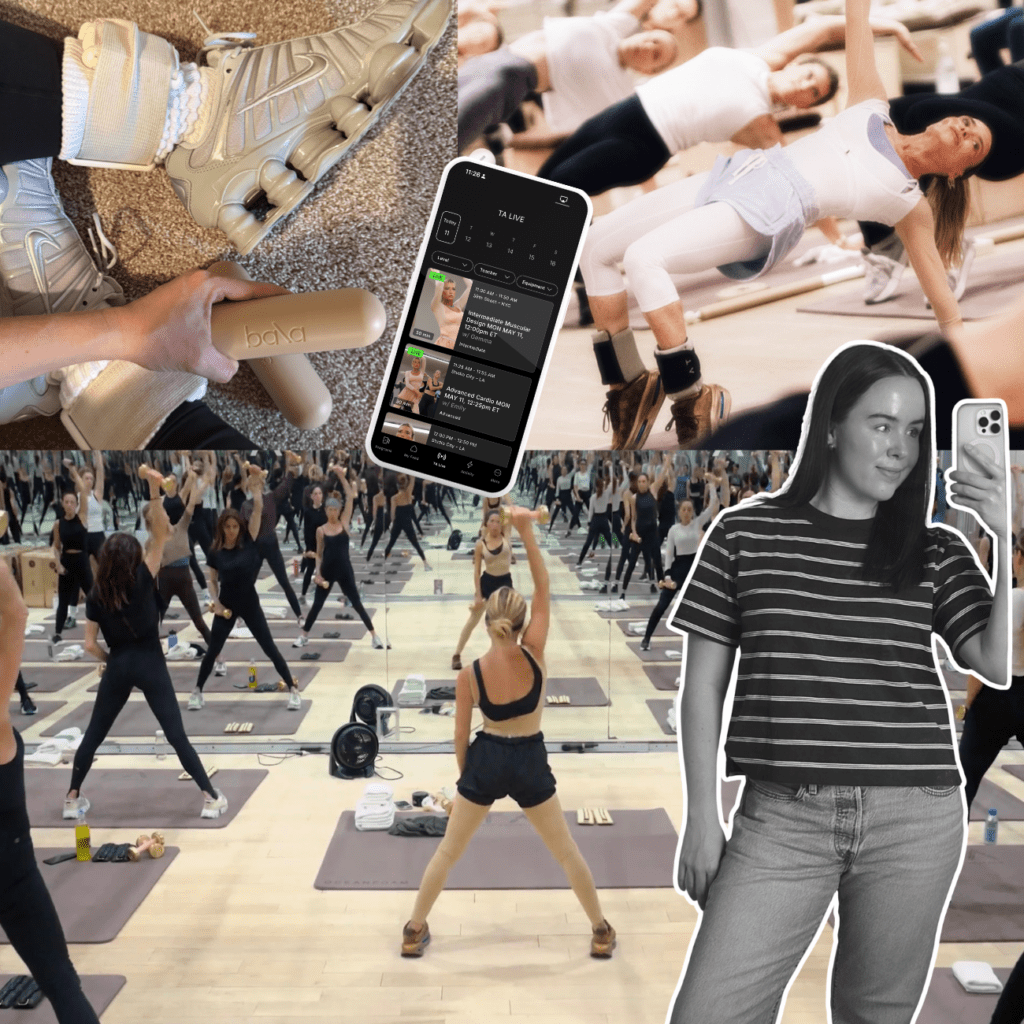
I’ve been a committed fitness girly pretty much my entire life. Growing up, I played every sport under the sun and dabbled in ballet, tap, and gymnastics. As I’ve gotten older, physical activity has remained a priority; however, it has taken many different forms over the years. I’ve tried everything from Kayla Itsines’ BBG Workouts to barre, HIIT, and spin classes. You name the workout fad, I’ve most likely done it.
Over a year ago, I couldn’t stop hearing about the Tracy Anderson Method on social media. While the method has been around since the early 2000s, it has garnered the attention of Gwyneth Paltrow, J-Lo, and Victoria Beckham. The dance-sculpt workout has surged in popularity over the years, even taking on a new generation of fitness enthusiasts, like me.
Even though I don’t have access to a Tracy Anderson studio where I live, I decided to give her Online Studio a try. It’s been a year since I began my TA journey, and I have some opinions about it. Below, I’m breaking everything down and answering some pressing questions about the method. Let’s get into it.
What is dance cardio and sculpt?
Dance cardio sculpt is a high-intensity workout that combines dance cardio, spontaneous choreography movements, light weights, and resistance band movements to tone and sculpt. The high-repetition and targeted muscle toning is in sequence to a selected playlist — making the class engaging and different every time.
What is the Tracy Anderson Method?
While the Tracy Anderson Method is a variation of dance sculpt and cardio, her philosophy is unique and unlike any other class out there.
Here are the key elements of the TA Method:
- Combines low-impact workout, repetitive cardio and mat-based movements while focusing on connecting the whole-body.
- When participating in her studio, you work out in a heated room.
- The choreography changes weekly, which prevents a plateau in movement and interest.
- Her method targets smaller, hard-to-reach muscle groups to create a lean, toned, “dancer-style” physique.
- There are verbal cues in the class. However, the dancers make a point to exaggerate the movements to show you how to move your body.
- Some of the classes TA offers are Muscular Design (Beginner, Intermediate, Advanced), MyMODE, GrowthRings, Dance Cardio, HearthStone, and Bands Class.
@kiarakacvinsky and I’d do it again #tracyandersonmethod #workout ♬ original sound – Kiara Kacvinsky
What does a typical TA Online class look like?
While I have never gone to an in-person TA Studio, the online experience has been so amazing. Once you log into your account, you have access to multiple classes. There’s TA Live classes, prerecorded weekly workouts and movement breakdowns, as well as weekly inspirational talks from Tracy herself.
There are a lot of classes you can participate in throughout the day. However, if you miss a class time or can’t “make it”, the day’s live classes are available to access until the day ends.
I typically focus on getting into an Intermediate or Advanced Muscular Design. However, if you’re new to TA, I’d suggest starting with the guided videos and then hopping into a beginner class. You’ll need a mat, a set of 1.5 lb ankle weights, and 3 lb hand weights to complete the class. Each class lasts from 50 to 60 minutes, and you can select the class you’d like to complete.
Pro tip: You’ll probably want a towel or two on hand. You will get sweaty and most likely need it to wipe it off your mat throughout the class.
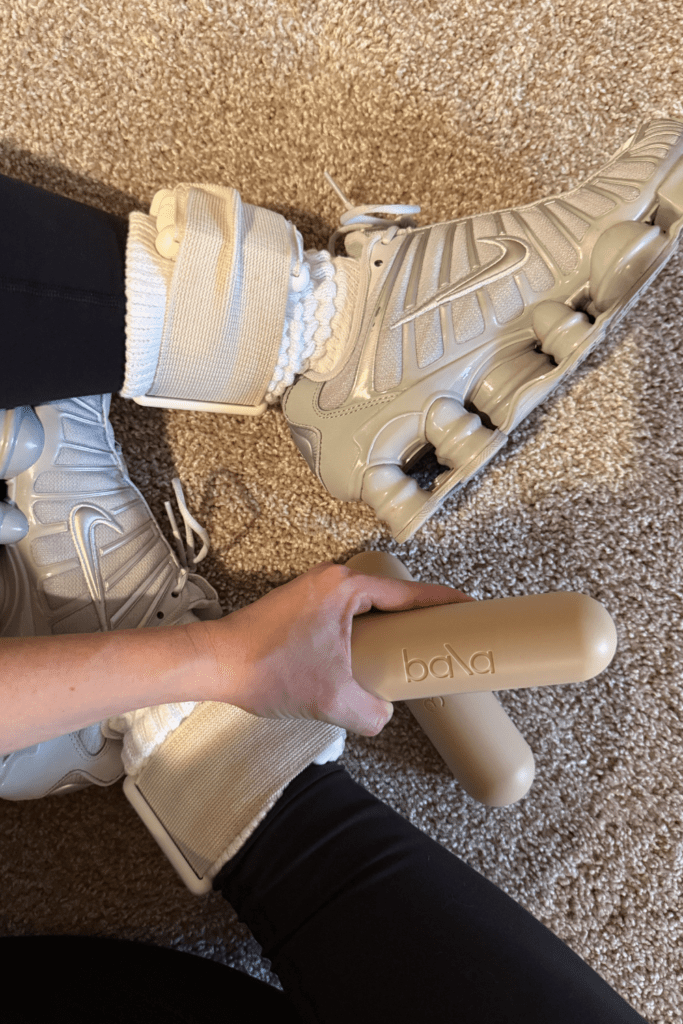
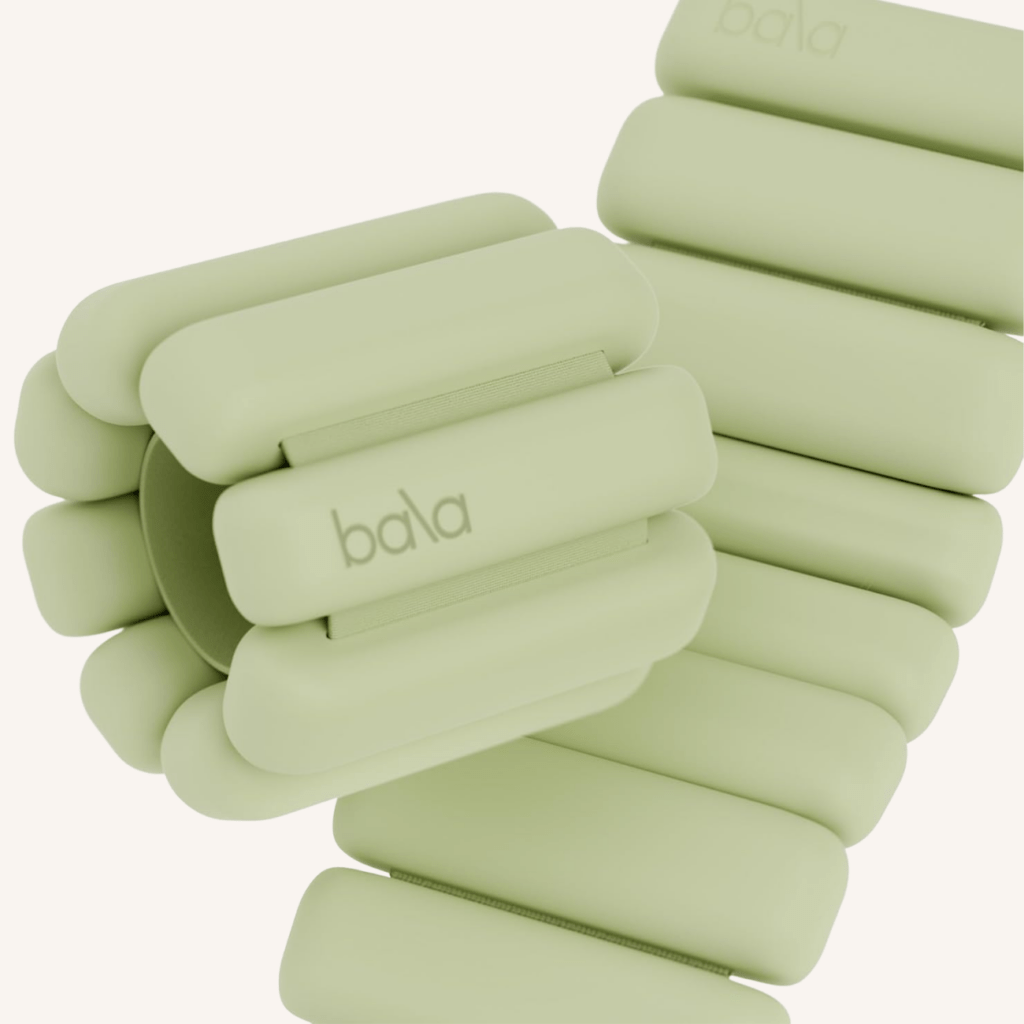
Bala Ankle Weights
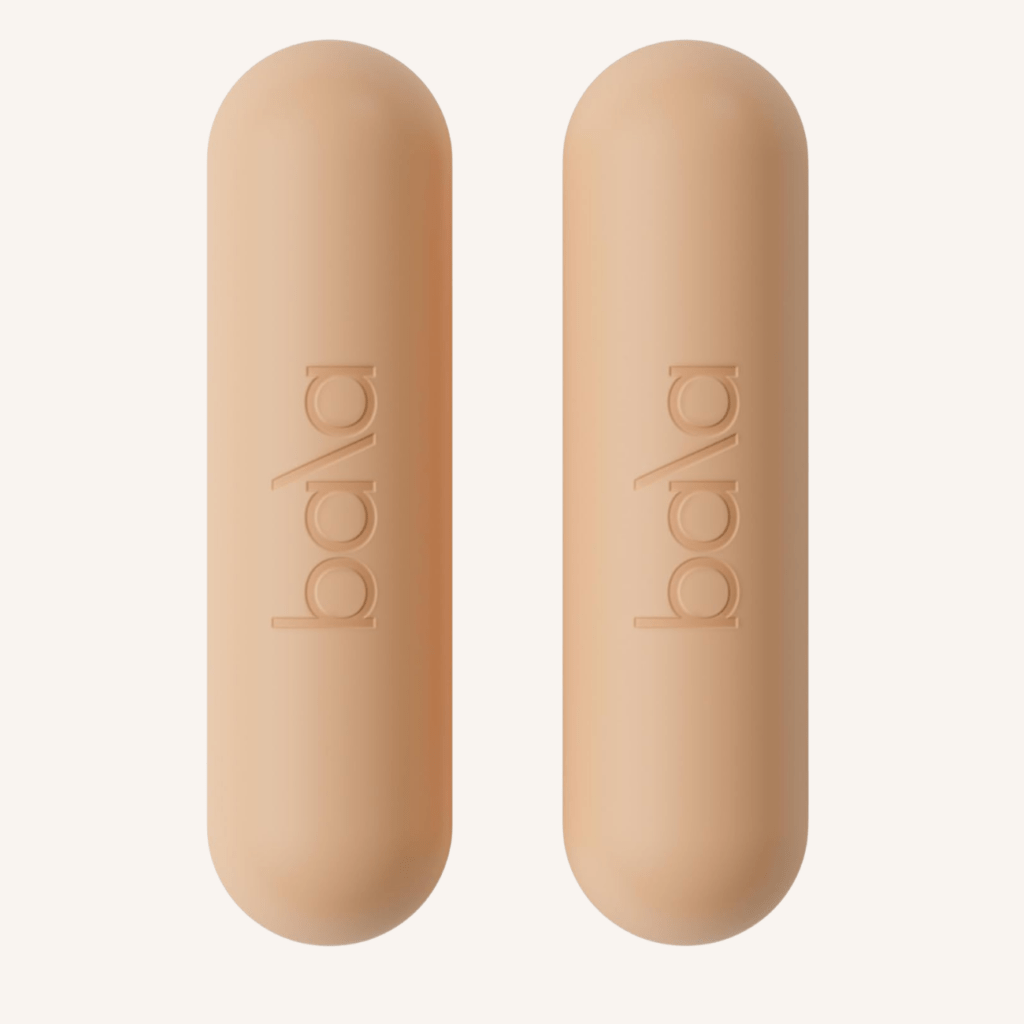
Bala Bars Set
XL Roll Mat
The Typical Muscular Design Class Structure:
- 3-5 minutes of Hearthstone movement
- 10-15 minutes of standing arm exercises and dance cardio
- 30-40 minutes of ground movement (on your knees, hips and forearms)
@tracyandersonstudio “Stability can cloud your ability.” – Tracy Anderson Every week, Tracy creates strategic content for your movement practice and shares reminders in her post class chat to take from the mat and apply it to your life. Sign up today for the Online Studio, our virtual streaming platform, and receive your first two weeks free as a gift from us.
♬ original sound – Tracy Anderson Studio
My Personal Tracey Anderson Method Review
My Initial Thoughts
Thinking back to when I started TA Online in February of 2025, I remember struggling to grasp the concept of the class, but still enjoying how my body was moving.
At that point in my life, my body was healing from an illness that doctors couldn’t give me answers for. I remember feeling like there was a bunch of trauma stored in my body from 2 years of recovering from a surgery and the reoccurrence of symptoms in my body over the next year.
When starting the program, I reached a point where I was getting frustrated and angry. I came to recognize that that was a part of the learning process. My mind and body had never moved in such a way. It began to break me down — and I truly believe it was releasing trauma I had held within my body.
The frustration and major learning curve took about a couple of months to get over, but I stayed consistent and kept going.
6 Months In
At the end of July and the beginning of August, I began to notice differences in my body. There was definition in my abs and arms that I hadn’t had before. My body began to feel like it was truly meant to move in this way.
I was pleasantly surprised that the initial frustration had not returned. I found myself being drawn back to The Method more frequently — increasing my sessions to 3-5 times a week. As far as home workouts go, this one is so easy to integrate into your lifestyle.
I truly began to love the method, and I was seeing results that I hadn’t seen with other workouts consistently. My body and mind just felt more balanced.
Current Thoughts
It’s been over a year since I started TA Online, and I am so proud of how far I’ve come and how much this form of exercise has meant to me.
When I started TA Online, my body was healing from an illness. The strength, growth, and connectivity to my body that it offered were something I couldn’t have dreamed of.
Today, I feel so in tune with my body and am excited for the weekly shifts in choreography. I’m at the point now where I miss the dance sculpt style of workout when I’m not doing it. It’s become a part of my lifestyle.
It created a new mindset in me that I didn’t know before and I’ve noticed myself embracing the challenge of each week, despite how wild the movements might be.
The best part about TA is that I can always expect to be challenged. I never get bored, and I still ask myself, “How did she come up with this move?”
I always leave feeling more connected to my body and getting an insanely good workout in.
At this point in my life, I don’t plan on stopping. I’ve pretty much told everyone about how this has changed my perspective on fitness, wellness, and mindfulness. In my opinion, it truly connects all the dots.
I feel stronger, more feminine, and empowered to take on anything that comes next.
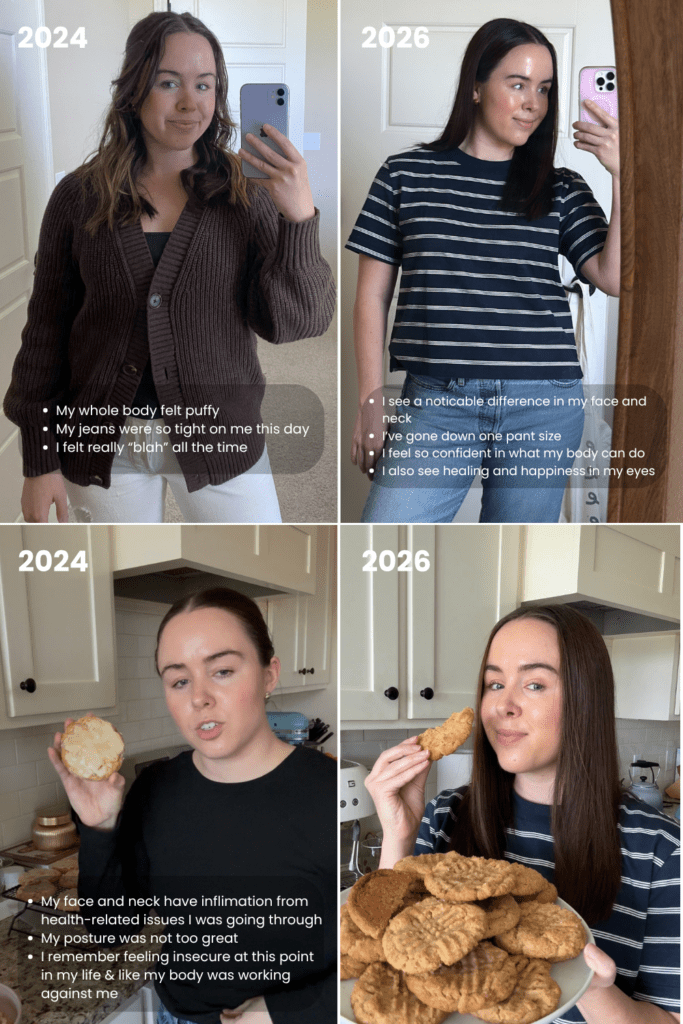
Note: While I did not document photos from beginning to end of this process — due to my ongoing health issues, I did compile a several screenshots taken from footage from work projects and miscellaneous videos. A big indication of progress for me was the loss of puffiness in my body.
It may not be an exaggerated transformation to some, but I have personally felt my body healing every day since beginning this new path to wellness. I also contribute the combination of Tracy’s workouts, other forms of cardio (running &walking), and a more balanced, whole-foods diet to the ongoing healing of my body.
Q & A:
How much does The Tracy Anderson Method cost?
While TA Online (her online platform) starts at $90/month plans, there is TA Online + TA Live that costs $130/month. Plus, you get a 14-day free trial on both plans, so you can judge whether or not the method works for you.
If you were to go to a studio in person, a membership costs $900/month, while drop-in classes usually range from $45-50 per class.
They just launched the A4 program, which is great for beginners as well. It allows you to dip your toes in and experienceshort-form workouts with the same method in mind. A4 is a 30-day program that costs $9.99. The next level up is A4 + Atlas, which is a one-time cost of $19.98.
Does the Tracy’s method actually work?
While I can’t speak to how your body will respond to this form of physical activity, I can only speak to my personal opinion of the method and product.
After doing classes consistently, 4 to 5 times a week for a entire year, there is proof that it worked for me. My body is leaner, more toned, stronger, and grounded. I can actually see definite ab lines. Plus, the diameter of my waist, arms and legs has decreased — with my waist and legs almost a full pant size.
It truly has transformed how I see fitness and how much my body is capable of.
I typically burn between 250 to 400 calories per session. So, if you’re looking for a calorie-burn, Tracy Anderson’s method certainly provides that.
What are the misconceptions about Tracy and her Method?
Throughout her 25+ years of creating this program, Tracy and her method have been highly scrutinized.
There’s talk that her method is too difficult and the movements are crazy, however, Tracy has been developing this method through years of research.
Yes, from the outside, the movements do look bit crazy and unconventional, but that’s because no one else in this field is creating something like her.
There’s so much more to this topic, and Tracy explains it beautifully on the Social Currency podcast. You can listen to her in-depth breakdown of misconceptions and her method here.
Where should I start if I’m interested in trying out the TA Method?
I recommend trying out Tracy Anderson’s A4 program. This program was not available last year when I joined TA Online. However, it’s such a great resource to use to see if her model of fitness aligns with you.
If you already like the concept of The Tracy Anderson Method and want the maximum experience of what Tracy Anderson has to offer at home, TA Online is the BEST option. It’s like you’re working out with a personal trainer at home.
What equipment do I need to have at home?
For a majority of the muscular design classes, you only need a laptop or television to screenplay to, a yoga mat, a set of 3 lb hand weights (light dumbbells) , 1.5 lb ankle weights.
Another pro tip: While this isn’t technically “equipment”, you will need a lot of space to move around.
Where are TA In-Person Studios?
If you’re interested in a workout program in a physical studio, there are locations in New York City, the Hamptons, Miami, Los Angeles, Montana, Madrid and London.